FREE EDITION / Story / 5 MIN
What the Crop Leaves Out
Restore the unit, comparison and time window before accepting a visual claim.
By the Oddoscope editorial desk. Times include reflection and are estimates.
The dramatic rectangle
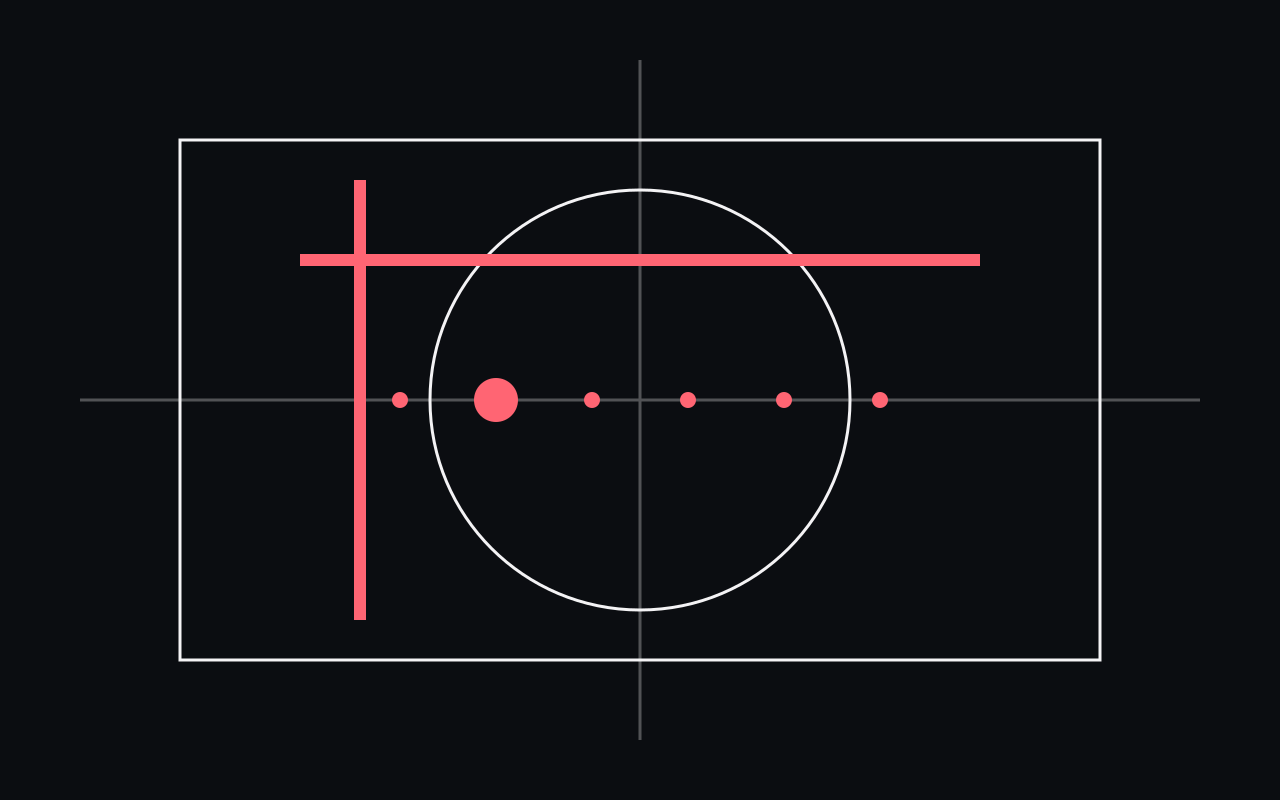
In our fictional town of Bell Street, a community post shows a tight crop of eight damaged rental bicycles. The headline reads, “Damage is getting worse.” Every bicycle in the crop might really be damaged. The missing part is the comparison, not necessarily the pixels. A wider inventory note says eight of four hundred bicycles needed repair this month; last month five of fifty did. These numbers are invented. Eight is larger than five, while eight divided by four hundred is smaller than five divided by fifty. The first comparison concerns the number of repairs; the second concerns the fraction of the fleet. They answer different questions. Neither number alone tells you why the change occurred.
Put the unit back
Which question matters depends on the decision. A repair team scheduling work needs to know that eight bicycles need attention. Someone comparing reliability needs a denominator and comparable inspection conditions. The post may be useful for the first purpose while overstating the second. Try saying the units out loud: repairs this month; repairs per bicycle inspected; repairs per kilometre ridden. A rate without a unit can sound like an objective property of a place when it is really a property of how someone counted. Do not add a denominator you have merely guessed. Write “not provided” until you can locate it.
A bigger picture is not every answer
An uncropped image can reveal that the eight bicycles are in a repair bay, rather than representing the whole fleet. That helps with selection. It cannot establish that the image was taken this month, that every bicycle was inspected, or that last month's inspection used the same definition of damage. Restoring one piece of context should not be treated as repairing all of it. Make a compact context card with four fields: unit, reference group, time window and selection rule. For this fictional post, the unit is bicycles needing repair. The reference group is the inspected fleet, if that is what the inventory actually counts. The time window is one month. The selection rule for the photograph is damaged bicycles brought to the repair bay. Keep unknown fields visibly unknown.
Rewrite, then choose an action
Spend your remaining three minutes writing two headlines. One should help the repair team: “Eight bicycles need repairs this month.” The other should describe only the available fleet comparison: “A smaller share of the inspected fleet needed repair, with inspection differences still unclear.” The second is less punchy because it carries a condition the first claim concealed. Now ask what would change your decision. If you are allocating repair slots, request the work list. If you are assessing reliability, request comparable inspection records and usage. If you are simply sharing an image, a narrow, attributed description may be enough; the stronger trend claim can wait. The practical lesson is not that larger numbers are deceptive or that close photographs are bad. It is that a vivid selection and an appropriate comparison are different objects. In the next interactive stop, you will have to decide what to do before all the missing fields have been restored. Keep your context card nearby.
Sources and editorial notes
Editorial arithmetic and scenario note — All fleet counts above are invented and the fractions are ordinary arithmetic. The linked original research informs source-checking practice, not these example numbers.
Original Oddoscope writing, fictional scenarios and code-authored optical artwork. Linked research is cited, not reproduced. Exercises are educational, not psychological diagnoses or validated ratings.